
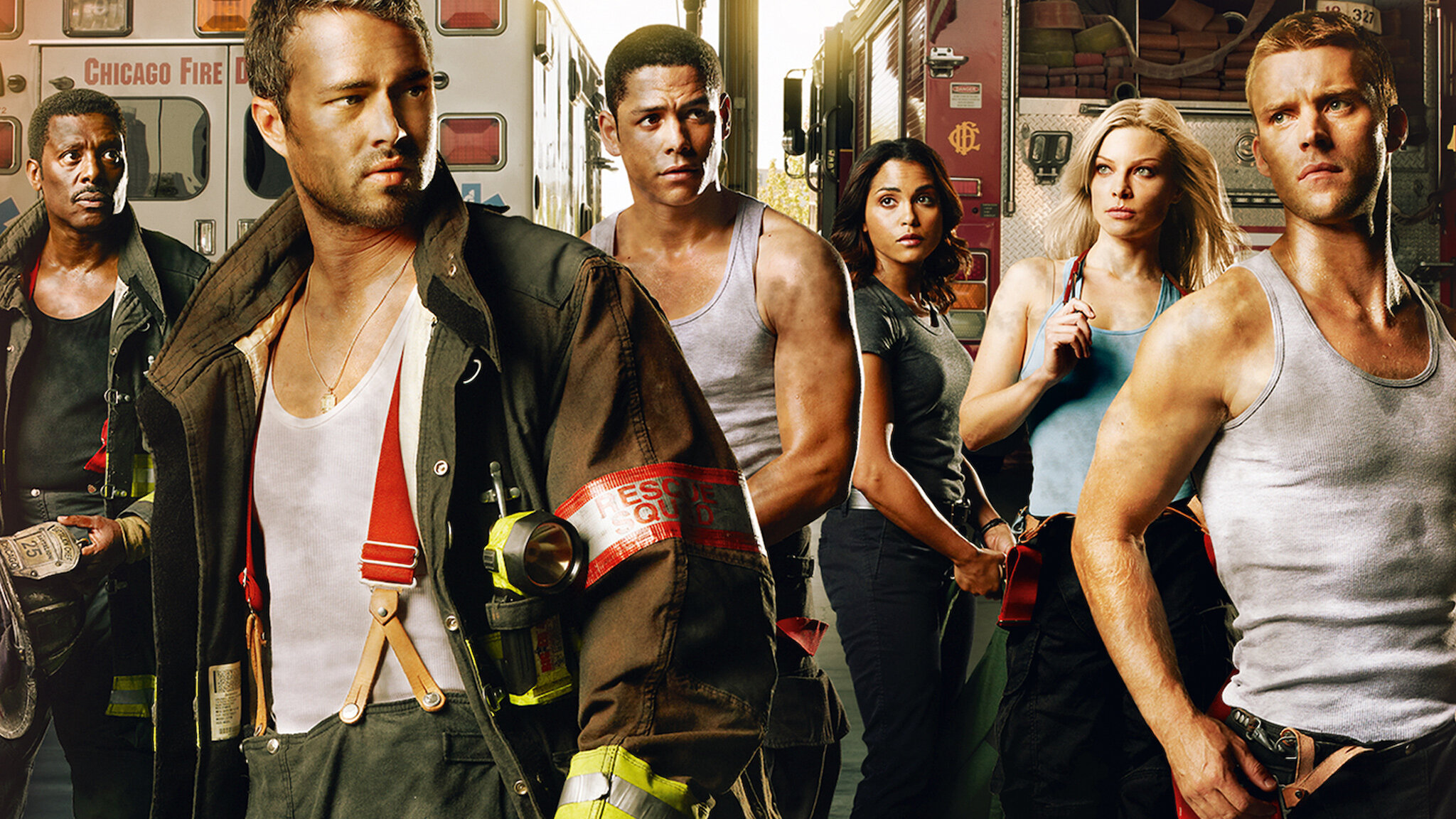
Television has no shortage of procedural dramas. Police shows, hospital dramas, and rescue stories continue to fill network schedules year after year. Most of them survive on familiarity. A few of them manage to build something more lasting. Chicago Fire belongs to that second group.
At a glance, the series may seem like a straightforward drama about firefighters and paramedics facing danger in every episode. That description is technically true, yet it does not fully explain why the show has endured for so long or why it continues to attract loyal viewers. Chicago Fire is not just about fire, rescue, and urgency. It is about pressure, duty, emotional fatigue, and the strange intimacy that grows between people who repeatedly face danger together.
From a critic’s perspective, the show works because it understands the value of emotional clarity. From a filmmaker’s perspective, it works because it knows how to turn physical danger into visual drama without losing sight of human feeling.
What Is Chicago Fire About
Chicago Fire follows the lives of the firefighters, rescue squad members, officers, and paramedics of Firehouse 51 in Chicago. The series blends high-stakes emergency scenes with personal drama, workplace tension, friendship, loss, loyalty, and romance.
That setup might sound familiar to anyone who has watched network television before. What separates Chicago Fire from weaker procedural dramas is its consistency in making the workplace feel alive. Firehouse 51 is not just a backdrop. It is the emotional center of the show. The station becomes a world of its own, shaped by routine, sacrifice, friction, and trust.
The characters do not simply work together. They depend on one another in ways that go beyond ordinary friendship. In a show like this, survival is not just a plot device. It is the foundation of every relationship.
Why Chicago Fire Stands Out
The greatest strength of Chicago Fire is its ability to balance action with emotional investment. Many procedural series can stage danger. Far fewer can make the audience care deeply about the people inside that danger.
This show understands that rescue scenes matter more when the characters feel lived-in. The emergencies are important, but they are not the whole story. Every fire, crash, or collapse is also a test of trust, instinct, guilt, fear, or leadership. That is why the series often feels bigger than its weekly structure suggests.
Instead of relying only on spectacle, Chicago Fire builds tension through emotional weight. Viewers are not merely watching to see who gets saved. They are also watching to see how each incident changes the people involved.
A Critic’s View on the Writing
The writing in Chicago Fire is most effective when it stays grounded in the emotional consequences of the job. This is where the series often rises above formula.
Yes, the show follows a recognizable format. There are emergencies, personal disagreements, career conflicts, and dramatic turning points. Yet repetition becomes a strength rather than a weakness because the show uses routine to reveal character. Over time, viewers begin to understand how each person handles pressure, grief, anger, loyalty, and responsibility.
The series also deserves credit for taking sincerity seriously. In an era when many dramas hide behind irony or emotional distance, Chicago Fire often plays its major feelings in a direct and honest way. That may not appeal to every viewer. Some will find it overly sentimental at times. Others may feel that the emotional beats are occasionally too polished. Those criticisms are fair.
Even so, the show’s sincerity is also one of its greatest assets. It believes in courage. It believes in teamwork. It believes that service still has dramatic value. That kind of conviction gives the series a tone that feels refreshingly unashamed of its own heart.
The Cinematic Side of Chicago Fire
From a visual standpoint, Chicago Fire is stronger than it often gets credit for. It may not present itself as prestige television, but it knows how to stage action with clarity and purpose.
The rescue scenes are usually built around movement, geography, and urgency. The series understands an important rule of screen storytelling: chaos only works when the audience can still follow what is happening. Fires, collapsing structures, smoke-filled rooms, and split-second rescues are filmed in a way that creates tension without becoming visually incoherent.
That approach gives the action a muscular quality. The show does not chase artistic abstraction. It focuses on impact, rhythm, and immediacy. That is exactly the right choice for this kind of drama.
There is also a strong sense of physical space throughout the series. Firehouse 51 feels functional, worn-in, and real. The trucks, hallways, lockers, kitchen tables, and briefing areas all contribute to a believable environment. This gives the show a grounded texture that helps support its larger emotional moments.
The Importance of the Ensemble Cast
A major reason Chicago Fire has remained compelling is its ensemble structure. The series does not rely on a single genius character or one dominant personality to hold everything together. Its power comes from the group.
The house functions like a living organism. Every shift in leadership, every conflict, every personal loss, and every act of loyalty affects the larger dynamic. This ensemble energy is one of the show’s greatest advantages because it creates the sense that no one exists in isolation.
That feeling matters in a drama about first responders. These are people who cannot afford emotional distance for very long. Their lives are too interconnected. Their work is too dangerous. The result is a series in which relationships carry real weight, even when the plot structure remains traditional.
Chicago Fire and the Theme of Duty
At its core, Chicago Fire is a show about duty. Not duty in an abstract heroic sense, but duty as routine, burden, discipline, and emotional wear.
This is where the series becomes more interesting than it first appears. The characters are not simply brave. They are tired, flawed, stubborn, grieving, impulsive, and sometimes deeply conflicted. Yet they continue to show up. They continue to respond. They continue to move toward danger while most people would run the other way.
That repeated act of showing up is what gives the series its emotional center. It reminds viewers that heroism is often less glamorous than cinema makes it look. In Chicago Fire, heroism frequently feels exhausting. That makes it more human and, in many cases, more moving.
Is Chicago Fire Worth Watching
Yes, especially for viewers who enjoy character-driven dramas with strong ensemble dynamics and consistent emotional stakes.
If someone is looking for experimental television or highly stylized prestige storytelling, Chicago Fire may not be the ideal choice. The series is firmly rooted in network drama traditions. It values accessibility, momentum, and emotional legibility over ambiguity or formal experimentation.
But for viewers who appreciate well-constructed procedural storytelling with heart, the show offers a great deal. It is engaging, sincere, visually solid, and often more emotionally effective than its genre reputation might suggest.
Its staying power is not an accident. Chicago Fire understands exactly what kind of series it wants to be, and it delivers that identity with confidence.
Final Verdict
Chicago Fire succeeds because it turns procedural structure into something emotionally durable. It knows how to stage danger, but more importantly, it knows how to make that danger matter. Beneath the sirens, rescues, and dramatic confrontations lies a story about trust, fatigue, solidarity, and the cost of service.
This is not a show trying to impress viewers with mystery or distance. It wins through clarity, commitment, and character. It believes that people who work side by side under pressure form bonds that deserve to be explored seriously. That belief gives the series its strength.
In the crowded world of long-running television dramas, Chicago Fire continues to stand out because it understands a simple truth: viewers may come for the emergencies, but they stay for the people.


Discussion (0)